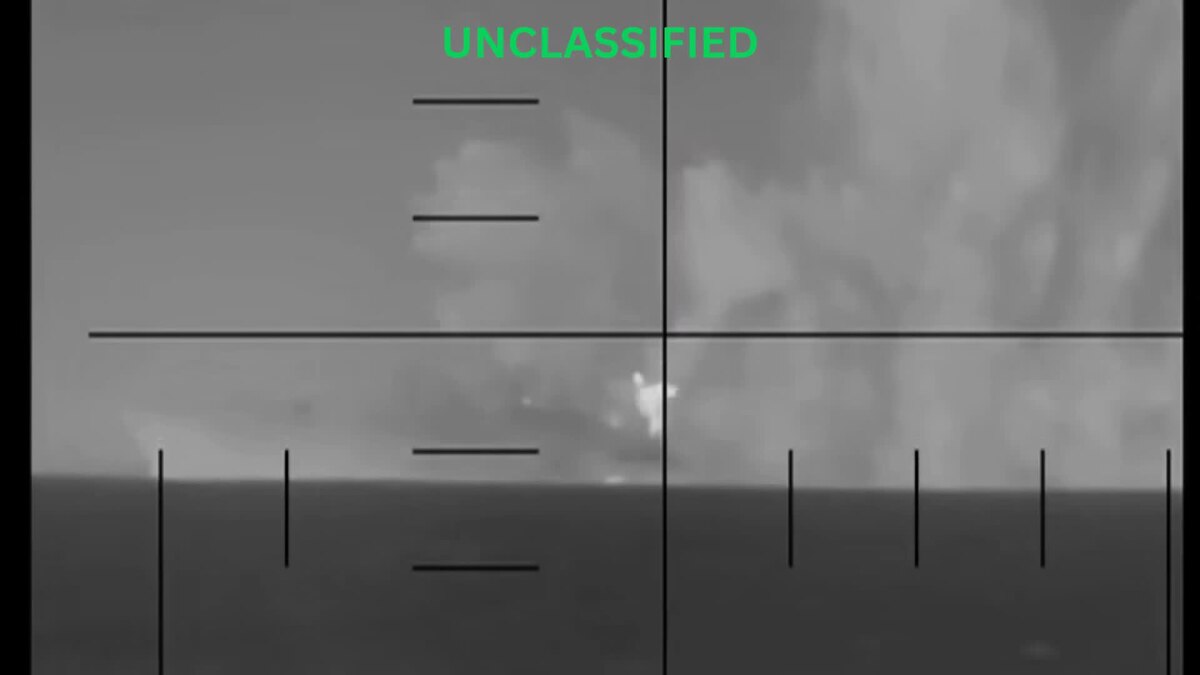
The year 2026 marked a pivotal moment in global geopolitical tensions, particularly concerning the escalating conflict with Iran. Amidst the fog of war, one incident stands out for its controversial nature and far-reaching implications: the sinking of the Iranian Navy frigate, IRIS Dena. This event, occurring in international waters, reignited debates on maritime law, rules of engagement, and the evolving dynamics of naval warfare. For anyone seeking comprehensive details, an "Iris Dena Wiki" search often leads to the core facts, but the nuances and controversies demand a deeper dive.
The Ill-Fated Voyage: From Diplomatic Outreach to Conflict Zone
In early 2026, the IRIS Dena, a Mowj-class guided-missile frigate (pennant number 75), was not engaged in combat operations. Instead, it was on a mission of naval diplomacy, representing the Islamic Republic of Iran Navy at the prestigious International Fleet Review 2026, hosted by India. This multilateral exercise, known as MILAN 2026, saw naval vessels from numerous nations gather in a display of international cooperation and maritime solidarity. For Iran, participation was a crucial demonstration of its nascent blue-water capabilities and an effort to project influence and foster diplomatic ties despite enduring international sanctions.
Following the conclusion of MILAN 2026, the IRIS Dena commenced its return journey home. It was while traversing the vast expanse of the Indian Ocean, approximately 19 nautical miles (35 km; 22 mi) off the coast of Galle, Sri Lanka—squarely within international waters—that the frigate’s fateful encounter occurred. The vessel, carrying approximately 180 personnel, including members of the Iranian Navy band who had performed at the review, was reportedly unarmed and under Indian diplomatic invitation at the time of the exercise, adding a layer of complexity to the subsequent attack.
A Naval Echo of the Past: The USS Charlotte's Controversial Strike
On March 4, 2026, the United States Navy's Los Angeles-class nuclear-powered submarine, USS Charlotte, commanded by Commander Thomas Futch, intercepted the IRIS Dena. Acting on orders, the USS Charlotte fired two Mark 48 torpedoes at the Iranian frigate. One of these sophisticated torpedoes struck the Dena, sealing its fate and sending it to the bottom of the Indian Ocean. The Pentagon later described the attack as targeting an "enemy combatant," citing a prior U.S. warning, though the specifics of this warning and its scope remain subjects of intense debate.
This incident carried immense historical weight. It marked the first time a U.S. Navy submarine had successfully sunk an enemy surface vessel since the Pacific theater of World War II, a period that saw extensive submarine warfare. Furthermore, it was the first instance of a nuclear-powered submarine sinking an enemy surface vessel since the sinking of the Argentine cruiser ARA General Belgrano by the Royal Navy's HMS Conqueror during the 1982 Falklands War. These historical parallels underscore the rarity and significance of the Dena's sinking. For a deeper look at the historical context, readers can explore IRIS Dena Sinking: First US Submarine Combat Kill Since WWII.
The controversial nature of the attack stemmed from several factors:
- Location: The sinking occurred in international waters, raising questions about jurisdiction and the legality of the engagement outside a declared combat zone for all parties.
- Circumstances: The Dena was returning from a diplomatic exercise, described by Iran as unarmed for that mission, challenging the "enemy combatant" designation in the eyes of some international observers.
- Unverified Claims: Independent verification beyond official U.S. statements regarding the "prior U.S. warning" and the Dena's perceived threat posture was largely lacking, fueling skepticism.
The Mark 48 torpedo, known for its advanced guidance systems and devastating destructive power, proved its effectiveness. The incident served as a grim reminder of the potent, stealthy threat posed by modern submarines to surface fleets, even in an era dominated by air power and missile technology.
IRIS Dena: A Symbol of Iranian Naval Ambition
The IRIS Dena was more than just a frigate; it was a potent symbol of Iran's determined pursuit of indigenous naval capabilities. As a Mowj-class (or Moudge-class) guided-missile frigate, Dena represented Iran's inaugural effort to domestically produce advanced surface combatants capable of extended, blue-water operations. This ambitious program was born out of necessity, driven by decades of arms embargoes and international sanctions that severely restricted Iran's access to foreign naval platforms and technology from traditional suppliers like Russia and European nations.
Constructed domestically at the Shahid Darvishi yard near Bandar Abbas, the Dena (and its sister ships like IRIS Jamaran, the class lead) showcased Iran's commitment to self-sufficiency in defense. Despite resource limitations and the complexities of precision manufacturing, these vessels were equipped with a suite of indigenous systems:
- Qader anti-ship missiles: Providing offensive striking power against enemy vessels.
- Sayyad surface-to-air missiles: Offering a degree of air defense, crucial for survival in contested waters.
- 76 mm naval gun: A versatile weapon for both surface engagement and air defense.
- Anti-submarine torpedoes: Indicating a multi-role capability, though ironically, Dena itself fell victim to a torpedo.
- Asr phased-array radar: A domestically developed radar system intended to enhance situational awareness.
While featuring a helipad, the Mowj-class lacked a hangar or a vertical launch system, which would have significantly enhanced its air defense capabilities and operational flexibility. Nevertheless, vessels like Dena undertook remarkable long-range deployments, demonstrating Iran's growing naval reach. A notable example was Dena's 2022–2023 voyage alongside the support vessel IRIS Makran, navigating through the Indian Ocean, South Pacific, around Cape Horn, and into the Atlantic, making port calls in Brazil and South Africa despite U.S. diplomatic protests. This journey, and Dena's participation in MILAN 2026, highlighted Iran's strategic vision for its navy. Understanding the context of Iran's naval development is key to grasping the significance of the Dena's loss; for more information, see Mowj-Class Frigates: IRIS Dena's Final Voyage and Iran's Naval Goals.
The Human Cost and Aftermath
The sinking of the IRIS Dena was a tragic loss of life. With approximately 180 people aboard, the attack resulted in significant casualties. Sri Lankan authorities, responding swiftly to the incident, initiated search and rescue operations. Their efforts led to the recovery of 87 bodies and the rescue of 32 survivors, who received treatment at Galle National Hospital. Tragically, 61 other individuals remained missing after search operations concluded on March 8, 2026, underscoring the grim human toll of naval warfare.
The incident also sparked an immediate international outcry and intensified diplomatic tensions. Iran vehemently condemned the attack as an act of state terrorism and a violation of international law. The United States defended its actions under the umbrella of the ongoing conflict, but the fact that the Dena was returning from a sanctioned international exercise in international waters complicated the narrative. This clash of interpretations highlighted the ambiguities and potential for escalation in modern conflicts, especially when actions blur the lines of traditional warfare.
Conclusion
The sinking of the IRIS Dena by the USS Charlotte in 2026 represents a confluence of historical echoes, technological advancements, and complex geopolitical currents. It was a stark reminder of the enduring lethality of submarine warfare, the persistent challenges faced by nations under sanctions in developing indigenous defense capabilities, and the precariousness of maritime security in an increasingly contested world. The controversies surrounding the attack—its legality, the status of the Dena, and the geopolitical context—will undoubtedly continue to be debated by historians, legal scholars, and defense analysts for years to come, making it a critical case study in modern naval engagements and international relations.