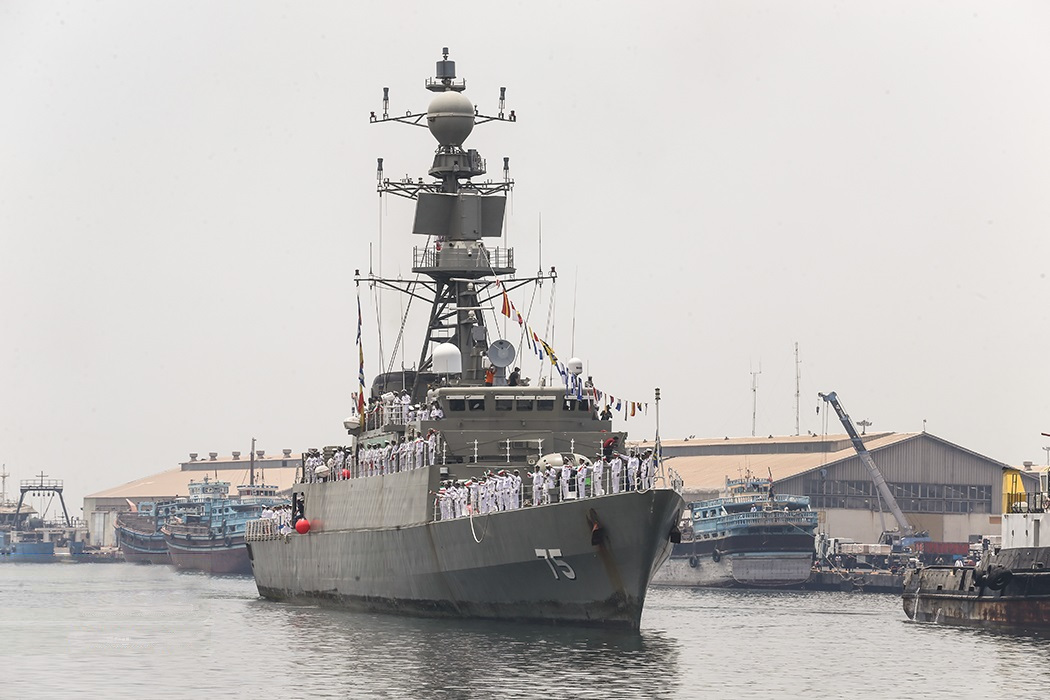
The Mowj-Class Frigates: Unpacking Iran's Ambition for Blue-Water Naval Power
The Islamic Republic of Iran Navy (IRIN) has long harbored ambitions of projecting its naval power far beyond its coastal waters. Central to this vision has been the development of the indigenously built Mowj-class guided-missile frigates. These vessels represent a significant stride in Iran's self-reliance efforts amidst decades of international sanctions and arms embargoes. While the class signifies a potent symbol of national capability, the tragic and controversial sinking of one such vessel, the IRIS Dena, serves as a stark reminder of the volatile geopolitical landscape and the high stakes of naval power projection.
For many, the name IRIS Dena (pennant number 75) conjures images of a domestically constructed warship, a testament to Iranian engineering prowess. Often sought after by those looking for an Iris Dena Wiki entry, its story is far more complex than a simple list of specifications. It encapsulates Iran's strategic imperative to maintain a credible naval presence, safeguard its maritime interests, and assert its influence in crucial international waterways.
IRIS Dena: A Symbol of Self-Reliance and Global Reach
Constructed at the Shahid Darvishi yard near Bandar Abbas, the IRIS Dena was more than just a ship; it was a statement. As one of the Mowj-class frigates, it was designed to be a multi-mission platform, equipped with an array of indigenous systems. These included the formidable Qader anti-ship missiles, designed to engage surface targets at significant ranges, and Sayyad surface-to-air missiles for self-defense against aerial threats. The frigate also featured a 76 mm naval gun, anti-submarine torpedoes, and an Asr phased-array radar, showcasing Iran's progress in developing integrated combat systems.
While the Dena, like others in its class, featured a helipad, the absence of a dedicated hangar or advanced vertical launch systems for enhanced air defenses highlighted some of the persistent challenges Iran faces in bridging technological gaps. Despite these limitations, the Mowj-class, including the Dena, was specifically designed for extended operations, pushing the boundaries of Iran's traditional naval reach.
A prime example of this ambitious strategy was the IRIS Dena's monumental 2022–2023 circumnavigation with the support vessel IRIS Makran. This epic voyage traversed the Indian Ocean, South Pacific, rounded Cape Horn, and ventured into the Atlantic, making port calls in countries like Brazil and South Africa despite U.S. diplomatic protests. Such deployments weren't merely exercises in seamanship; they were strategic signals, demonstrating Iran's ability to operate in blue waters, challenge perceived restrictions, and engage in naval diplomacy on a global scale. These voyages also served as invaluable training, bolstering the crew's experience in long-range operations – a critical component for any aspiring blue-water navy.
The Fateful Voyage: MILAN 2026 and the Sinking in the Indian Ocean
The IRIS Dena's final mission was participation in MILAN 2026, a multilateral naval exercise hosted by the Indian Navy. This exercise, involving numerous nations, was another platform for Iran to showcase its naval capabilities and foster international cooperation, albeit under the constant shadow of regional tensions and international restrictions. The decision to participate in such an exercise underscored Iran's commitment to projecting a conventional naval image and engaging with global maritime security dialogues, even as it developed its own defense doctrines.
Tragically, Dena's return journey from MILAN 2026 would prove to be its last. On March 4, 2026, while in international waters approximately 19 nautical miles (35km; 22mi) off the coast of Galle, Sri Lanka, the frigate was torpedoed and sunk by the United States Navy's Los Angeles-class submarine USS Charlotte. Under the command of Commander Thomas Futch, the USS Charlotte fired two Mark 48 torpedoes at the Dena, with one finding its mark.
This incident, occurring during a conflict with Iran, was immediately mired in controversy. The Pentagon described the attack as targeting an "enemy combatant," yet reports indicated the Dena was returning from a diplomatic invitation to an exercise, leading to questions about the context of the engagement. The human cost was devastating: out of approximately 180 people aboard, including members of the Iranian Navy band, at least 87 were killed. Sri Lanka's navy recovered 87 bodies and rescued 32 survivors, with 61 others declared missing after search operations concluded on March 8, 2026.
This event held significant historical weight. It marked the first instance of a nuclear-powered submarine sinking an enemy surface vessel since the HMS Conqueror sank the ARA General Belgrano during the Falklands War. More profoundly, it was the first such naval action by a U.S. Navy submarine since the Pacific Theater of World War II, a fact that resonated deeply within naval circles. For a comprehensive look at this unique historical milestone, readers may find IRIS Dena Sinking: First US Submarine Combat Kill Since WWII particularly insightful.
Iran's Naval Goals and the Future Post-Dena
The sinking of the IRIS Dena, regardless of the controversies surrounding it, undeniably impacts Iran's naval strategy and its pursuit of blue-water capabilities. The Mowj-class program was a direct response to a fundamental challenge: how to build and maintain a modern navy when access to international markets for advanced naval platforms and technologies is severely restricted. Iran's naval goals extend beyond mere coastal defense; they encompass:
- Blue-Water Power Projection: As evidenced by Dena's circumnavigation, Iran aims to protect its shipping lanes, counter piracy, and establish a presence in strategic waterways vital for global trade and energy security.
- Indigenous Development: The Mowj-class program emphasizes self-reliance, leveraging reverse-engineered foreign technologies and fostering domestic shipbuilding expertise. This helps circumvent sanctions and builds a resilient defense industrial base.
- Asymmetric Deterrence: While its conventional navy may not rival global superpowers, Iran seeks to develop capabilities that pose a credible threat in regional conflicts, using a mix of traditional warships, fast attack craft, submarines, and anti-access/area denial (A2/AD) strategies.
- Naval Diplomacy: Participation in exercises like MILAN and long-range deployments are crucial for Iran to engage with other navies, build alliances, and assert its role as a maritime player, despite political isolation.
The incident involving the Dena highlights the vulnerability of surface combatants, even modern ones, to advanced submarine warfare. It underscores the ongoing strategic importance of submarines in denying an adversary sea access and challenging their power projection. For a deeper dive into the contentious aspects and global reactions to this significant event, consider reading Iran War: The Sinking of IRIS Dena and its Controversies.
Iran will likely scrutinize the Dena incident closely, drawing lessons for future Mowj-class designs and operational doctrines. This could lead to an increased focus on enhanced anti-submarine warfare (ASW) capabilities for its surface fleet, greater emphasis on naval aviation, or a recalibration of how and where its warships operate in contested waters. The long-term impact on Iran's naval ambitions remains to be seen, but the commitment to indigenous development and blue-water aspirations is expected to endure.
Conclusion
The sinking of the IRIS Dena marked a tragic chapter in naval history and a significant moment in the 2026 Iran War. It was more than just the loss of a vessel; it was the premature end of a symbol of Iran's steadfast pursuit of indigenous naval power and its ambition to operate as a credible force on the global maritime stage. The Mowj-class frigates continue to be central to this vision, representing Iran's determination to overcome sanctions and build a self-sufficient defense industry. As the geopolitical tides continue to shift, the lessons learned from the Dena's final voyage will undoubtedly shape the future trajectory of the Islamic Republic of Iran Navy, reinforcing its resolve to protect its maritime interests and assert its presence in an increasingly complex world.